What is vasectomy?
Vasectomy, also called male sterilisation, is a highly efficient form of permanent contraception. It is a low-risk surgery which prevents sperm being released in the semen when you ejaculate during sex. During this procedure, the doctor cuts and ties off the tubes that carry semen from each testicle. This blocks the route by which sperm enter the semen, so that the male can no longer start a pregnancy. Vasectomy should be seen as a permanent type of sterilisation, because while there is a procedure available to reverse a vasectomy, this does not always work.
How is a vasectomy performed?
You can have the procedure under either local or general anesthetic. There are two main surgical methods: conventional (incisional) vasectomy, and no-scalpel vasectomy.
In a conventional vasectomy, the urological surgeon makes incisions (small cuts) in the upper part of the scrotum in order to reach the vas deferens (the medical term for the tubes which carry semen). These tubes are then cut and sealed with stitches to block sperm from reaching the urethra. Afterwards the incisions are closed with dissolvable stitches.
No-scalpel vasectomy is a newer non-invasive techique in which the surgeon makes a small puncture in the scrotum to reach the tubes without using a scalpel. While just as effective as a conventional vasectomy, the benefits of the no-scalpel method include a faster recovery time and less discomfort following surgery.
The benefits of a vasectomy
- A permanent and reliable birth control solution for men who are sure they will not want to have children in the future.
- It is a safe and fast operation which takes under 30 minutes.
- Most men will be able to return to normal activities within a few days.
- Most men experience only minor pain or discomfort.
- There are rarely any complications following a vasectomy.
- It does not affect performance or enjoyment of sexual activity.
What to expect before, during and after the procedure.
Before the procedure
Before you have the operation, the doctor will assess your medical history and inform you about the procedure and the associated risks and benefits. You will have the chance to discuss any concerns you may have. It is recommended that before the day of the procedure you shave the scrotum to reduce the risk of infection.
During the procedure
You will be anesthetised for the operation. The surgeion will make a tiny cut or puncture (depending on which kind of vasectomy you are having) to allow access to the tubes which carry sperm. The whole procedure usually takes around 30 minutes. Most men have little or no pain during the procedure. There may be slight temporary swelling of the scrotum afterwards.
After the procedure
You can go home the same day following a vasectomy, but you should avoid driving as you may experience some dizziness for a short time as a result of the anesthesia. After the operation it is advisable to rest for at least 24 to 48 hours and avoid strenuous physical exercise for roughly a week. It is quite normal to have some swelling or discomfort in the area surrounding the cut and these will go away within a few days. Usually you will be given medication to manage the pain.
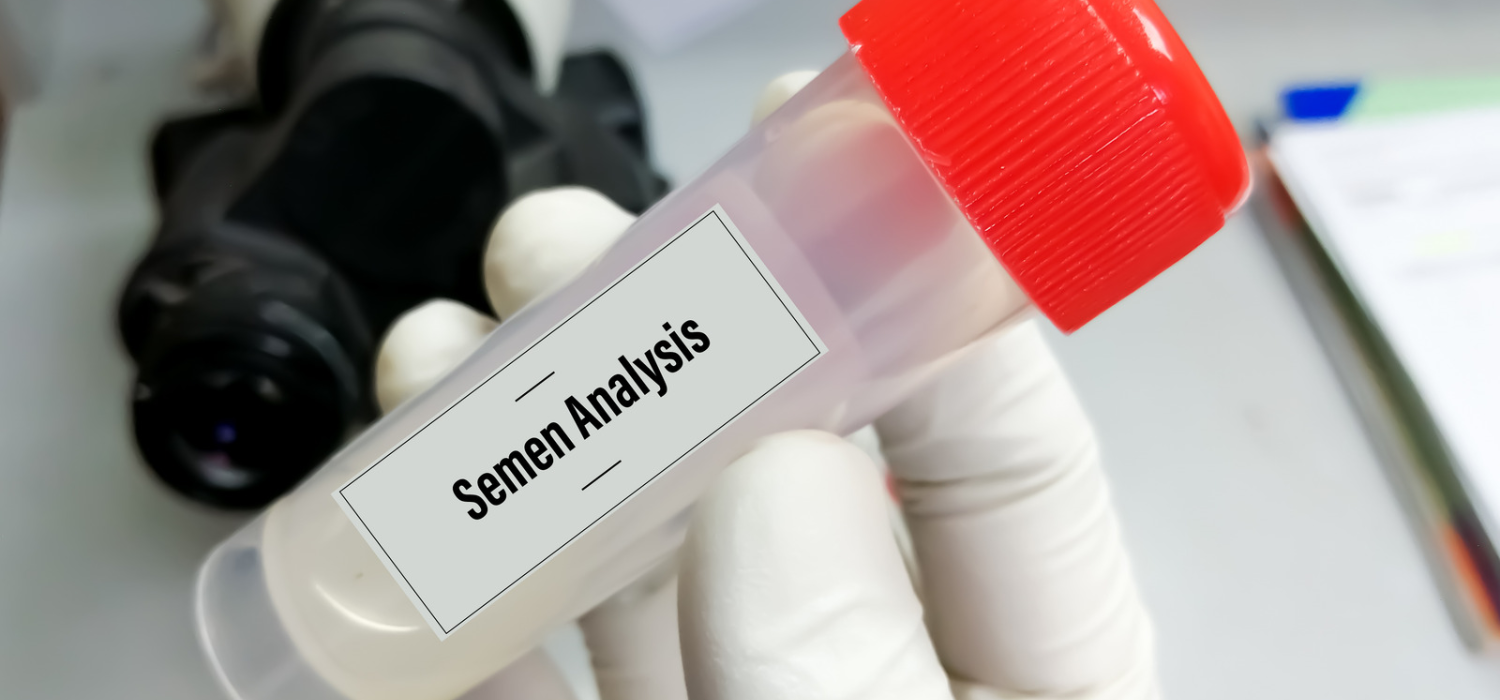
Vasectomy is one of the most effective birth control methods, and is nearly 100% effective in preventing pregnancy. However, it is not effective immediately, as sperm may linger in the tubes for several weeks after the operation. For this reason you are advised to use alternative birth control methods until a sperm test (taken roughly 8 to 12 weeks after the vasectomy) confirms that there are no sperm present in the sample and that the procedure has been successful. Until then you should use alternative forms of birth control to avoid unwanted pregnancy.
Possible risks and complications
Although this procedure is safe, as with any form of surgery there are possible risks and complications, and these include:
- Infection of the site of incision.
- Hematoma, which can lead to swelling and pain.
- Chronic testicle pain (rarely).
- Bruising in the area of the scrotum.
Note that a vasectomy does not protect against sexually transmitted diseases.
A vasectomy is an immensely effective birth control method for men. Although there is a reversal procedure which can restore the ability to start a pregnancy, this is not always successful. For this reason you should only consider this method if you are sure you do not want to have children in the future.